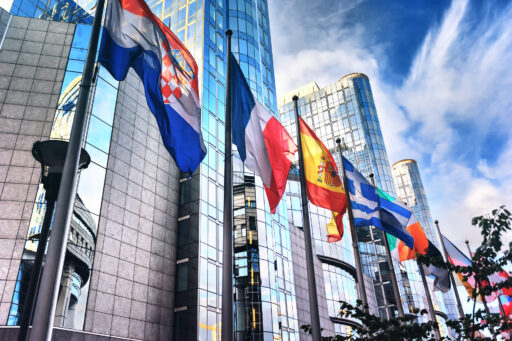
In the Digital Omnibus, Europe is debating how to update the GDPR to support AI development. Some fear a “watering down” of rights. But the reality is far less dramatic.
The GDPR was written before today’s AI systems existed. As a result, European developers face unclear, inconsistent rules on how personal data can be processed to train and test models. The European Commission’s proposed reform simply brings the law into the world we now live in.
Right now, AI developers outside Europe move faster because their legal environment is more predictable. Some say that by making AI development easier, Europe will simply help US tech giants expand their lead. But the reality is almost the opposite. Bringing clarity to the rules will give European developers a fighting chance. It will create an environment where European labs, startups, and companies can innovate rather than hesitate. And it will encourage talent and investment to stay in Europe rather than drifting overseas.
Updating the GDPR does not mean giving up our privacy. It means bringing our protections into the modern world. It means allowing responsible AI development under clear conditions. It means helping European companies build the tools that will power tomorrow’s healthcare, education, transport and climate solutions.
Yes, AI carries risks and needs guardrails but Europe’s fundamental rights framework isn’t going anywhere: strong individual rights, oversight from independent regulators, robust redress mechanisms and public expectations that demand accountability, remain unchanged. Clearer rules won’t weaken privacy—they will help Europe compete.
This debate shouldn’t be driven by panic. The GDPR reform is not a privacy crisis, it is a reality check. The debate should be about how Europe can protect its values and shape the future—rather than watch it being built elsewhere.
It is about building the next generation of protections designed for a new generation of technology—and unlocking the huge societal benefits AI can deliver by moving beyond rules written for another era.
14 November 2025
Square de Meeûs 18
1050 Brussels | Belgium
info@privacynext.eu

Copyrights © 2026 PrivacyNext.eu | Privacy Policy | Cookie Policy Webdesign & Development by ALYS